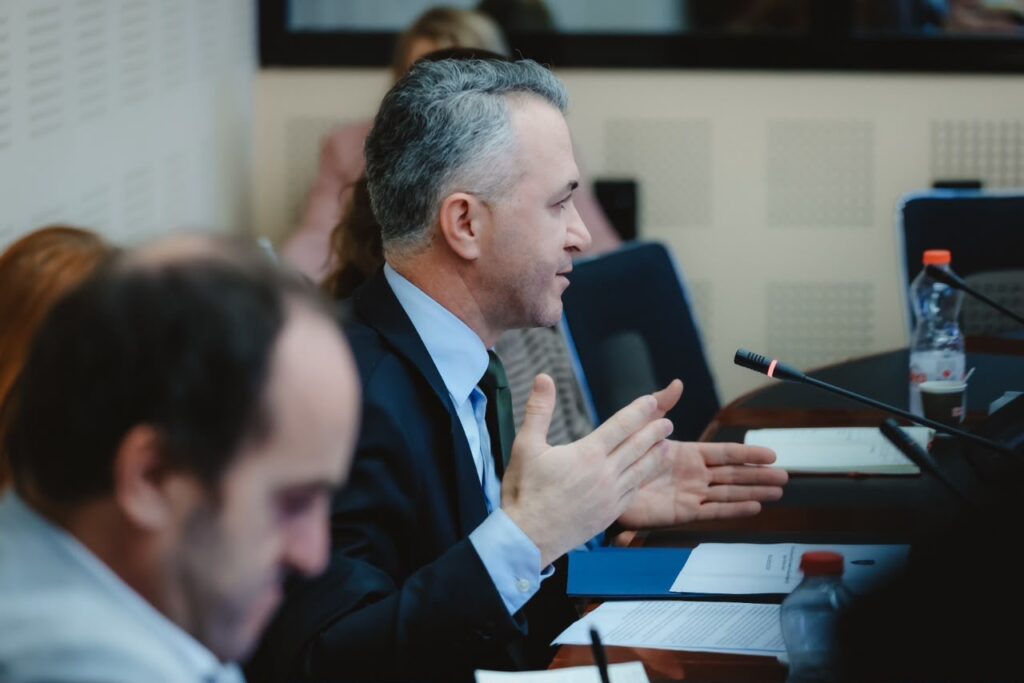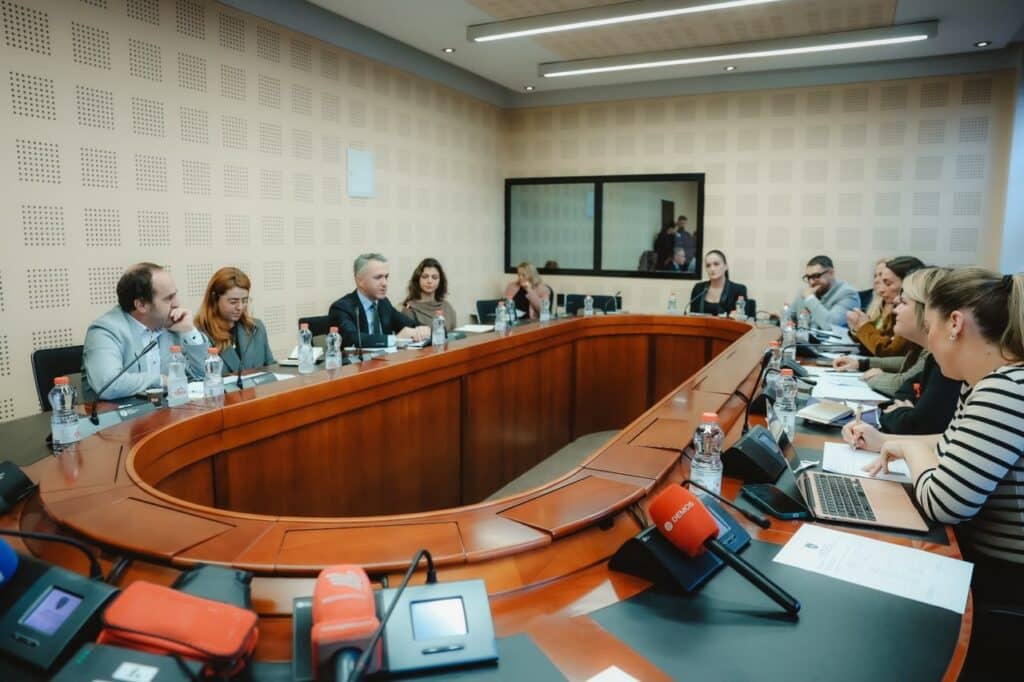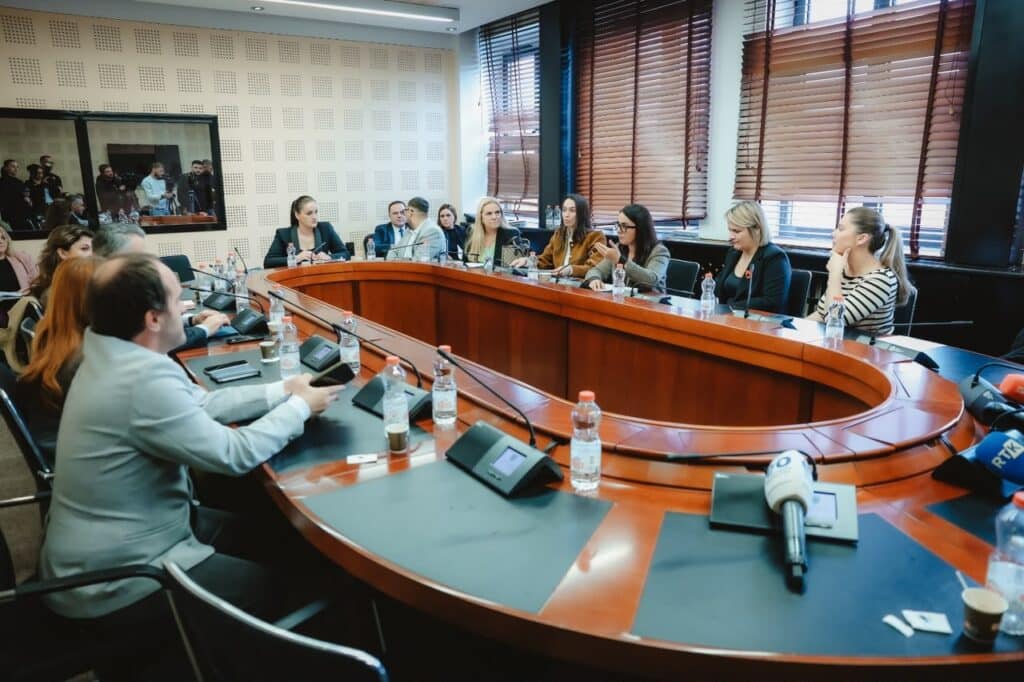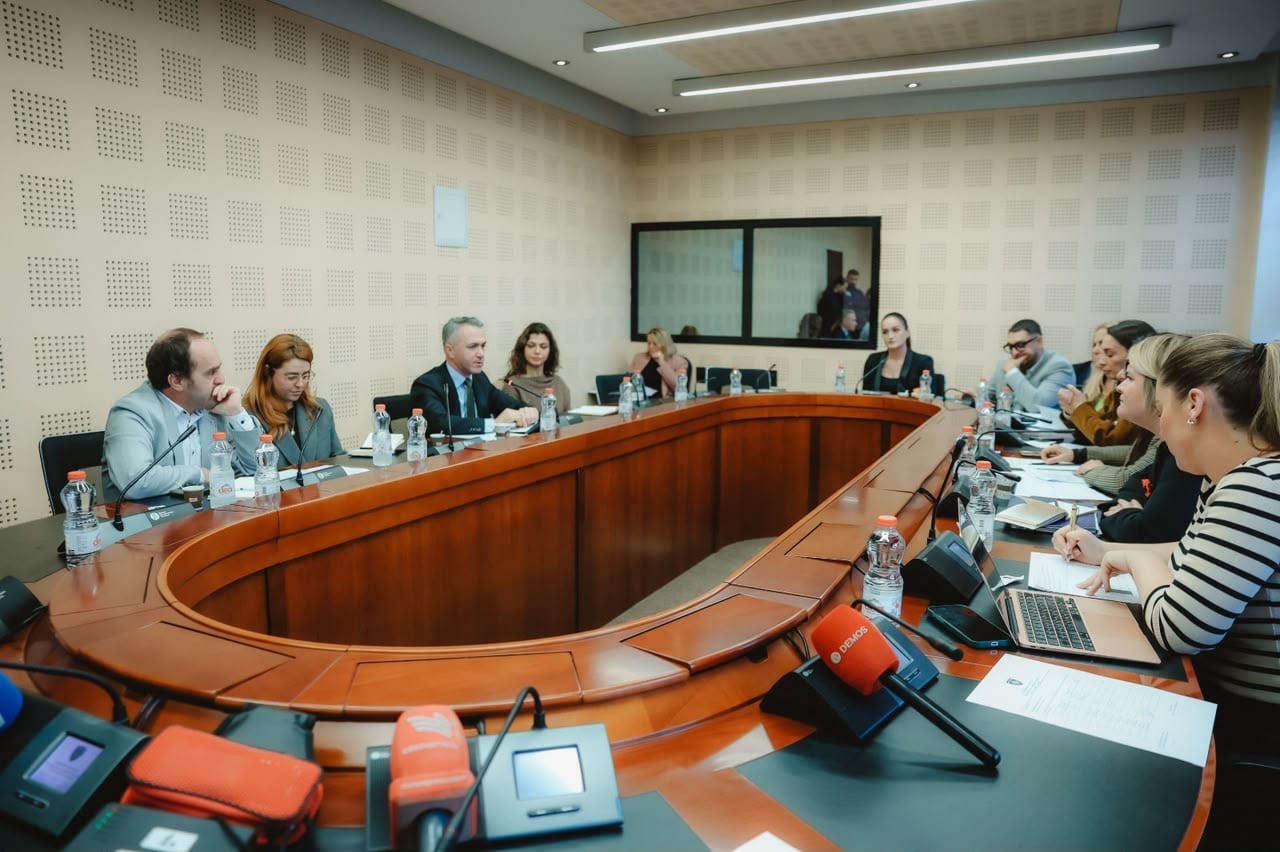
Today, Kosovo’s Chief Negotiator with the European Union and National Coordinator for the Growth Plan, Jeton Zulfaj, held his first meeting with the Parliamentary Committee on European Integration.
The meeting focused on progress in implementing the Reform Agenda under the Growth Plan, the challenges encountered so far, and the next steps in cooperation with the responsible institutions.
Discussions also addressed institutional and diplomatic efforts aimed at advancing Kosovo’s application for European Union membership and obtaining candidate country status.
During the meeting, Zulfaj presented an overview of progress in implementing the Reform Agenda. Of the 13 steps granted an extended deadline until 30 June 2026, seven have been completed, while six remain unfulfilled, mainly as a result of delays caused by institutional deadlock and the lack of a functioning Assembly. As a result, Kosovo is considered to have lost approximately €43.8 million. Zulfaj clarified that the final amount will be determined following the European Commission’s assessment, which is expected to be published in the coming days.
Mr Zulfaj announced the amount of funding expected to be lost as a result of the deadlock in the Assembly on 1 July, at a press conference following the expiry of the June deadline.
Regarding the unfulfilled reforms, the Chief Negotiator emphasised that most required the adoption of draft laws by the Assembly, at a time when the institution had been dissolved. Nevertheless, the relevant reforms are on track to be completed within this year, including the adoption of draft laws in the energy sector, the Draft Law on the Insolvency System, the legislative package on justice, and the strategy against organised crime. He underlined that the delays do not mean abandoning the reforms, but may result in the loss of financial allocations linked to their implementation deadlines.
Among other achievements, Zulfaj highlighted the adoption of the last law required to fulfil the legislative conditions for Kosovo’s accession to the Single Euro Payments Area (SEPA). Membership in this mechanism is expected to generate savings of more than €55 million annually for citizens, businesses and the diaspora.
Regarding upcoming priorities, the Chief Negotiator informed the Committee members that a further 22 reform steps, with a total value of €131.5 million, must be fulfilled by 31 December 2026. Their implementation requires the Assembly to adopt ten draft laws, one of which, the Draft Law on Innovation and Entrepreneurship, has already been submitted for review. The remaining draft laws are expected to be submitted by the Government during this month, subject to the receipt of the relevant comments from the European Commission.
Given the remaining deadlines, Zulfaj stressed the need for most of these draft laws to be reviewed and adopted under an expedited procedure. He called for the support and cooperation of the members of the Parliamentary Committee on European Integration, recognizing its role in building broad cross-party consensus on fulfilling the obligations arising from the Reform Agenda.
In this regard, he called for the 59 days remaining until the end of the year to be used for joint institutional efforts to advance the reforms and prevent further losses of EU funds.
In addition to the implementation of the Growth Plan, the Chief Negotiator also briefed the Members of Parliament on ongoing efforts aimed at obtaining candidate country status for EU membership. He referred to his participation in the informal meetings of the General Affairs Council, together with ministers responsible for European affairs, in Nicosia and Dublin, as well as two meetings held in the same format in Luxembourg. He also highlighted Kosovo’s associate membership in the European Centre for Democratic Resilience.
Zulfaj went on to discuss his visit to Brussels in October, during which he held meetings with European Commissioner for Enlargement Marta Kos and senior officials of the Directorate-General for Enlargement and Eastern Neighbourhood (DG ENEST), as well as ongoing engagement with the European Parliament and representatives of EU Member States.
In this regard, he noted that the constitution of the Assembly had created an opportunity to intensify inter-parliamentary cooperation with EU Member States. Active engagement by Kosovo’s Members of Parliament with their European counterparts would make an important contribution to advancing joint efforts towards obtaining candidate country status.
At the conclusion of the meeting, Chief Negotiator Zulfaj reiterated that Kosovo had fulfilled the necessary criteria for obtaining candidate country status and opening EU accession negotiations, underlining that Kosovo’s current position in the accession process does not reflect the progress achieved in the country’s democratic and institutional development.